Everything You Need to Know About The Incredible Squirrel Monkeys in Punta Cana
Learn fascinating facts about Punta Cana's squirrel monkeys, where to see them, what to expect, and tips for an unforgettable wildlife experience.
If you're planning a vacation to Punta Cana in the Dominican Republic, you've probably seen adorable photos of tiny monkeys on travelers' Instagram and Facebook posts. These playful primates have become one of the region's most popular wildlife experiences.
While they're often associated with the Dominican Republic, there's an interesting fact that surprises many visitors: squirrel monkeys are not native to the Dominican Republic. The monkeys you'll meet in Punta Cana were introduced to specialized wildlife parks, where they live in protected environments designed to mimic their natural habitats.
Here's everything you need to know before meeting these remarkable little animals.
What is a squirrel monkey?
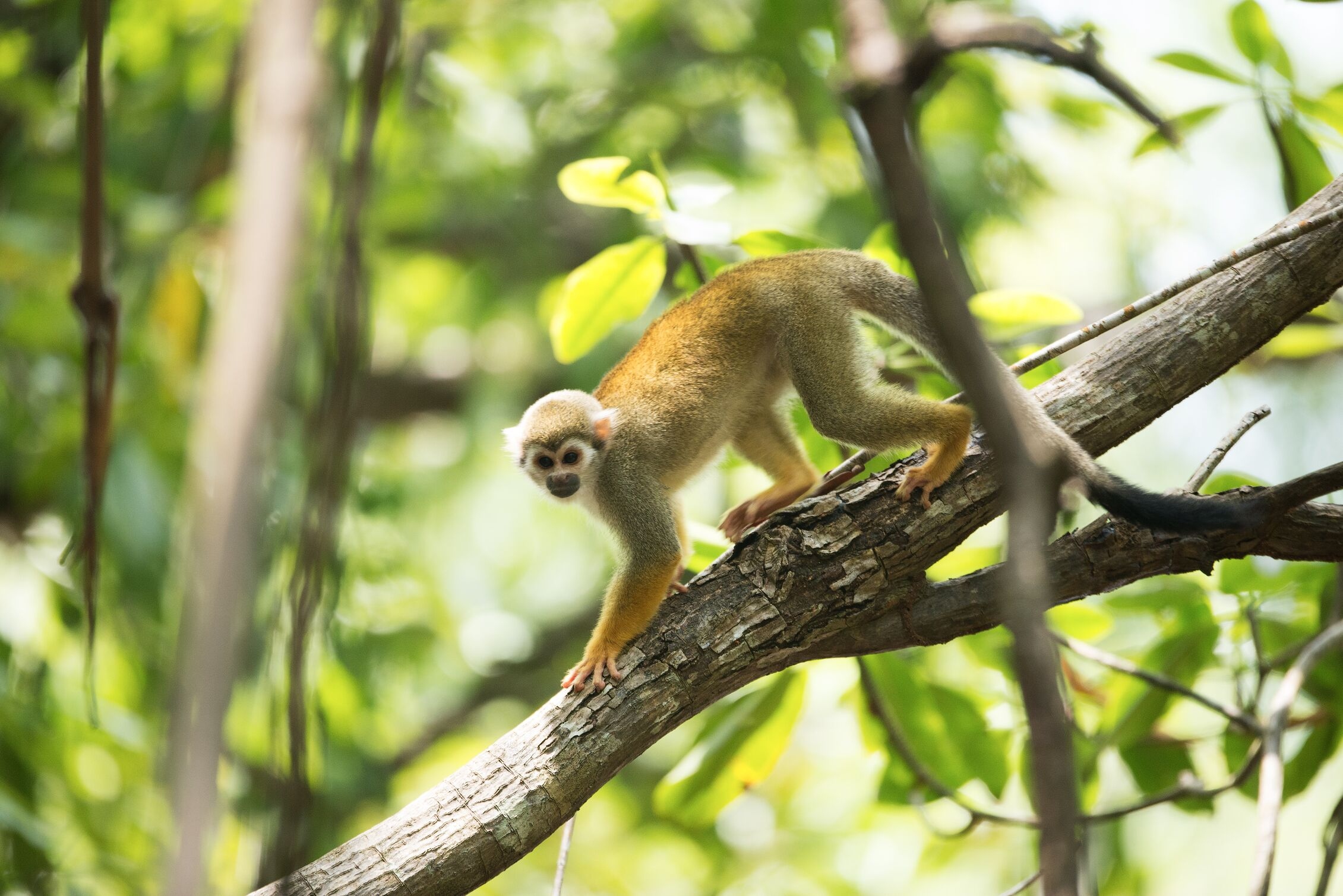
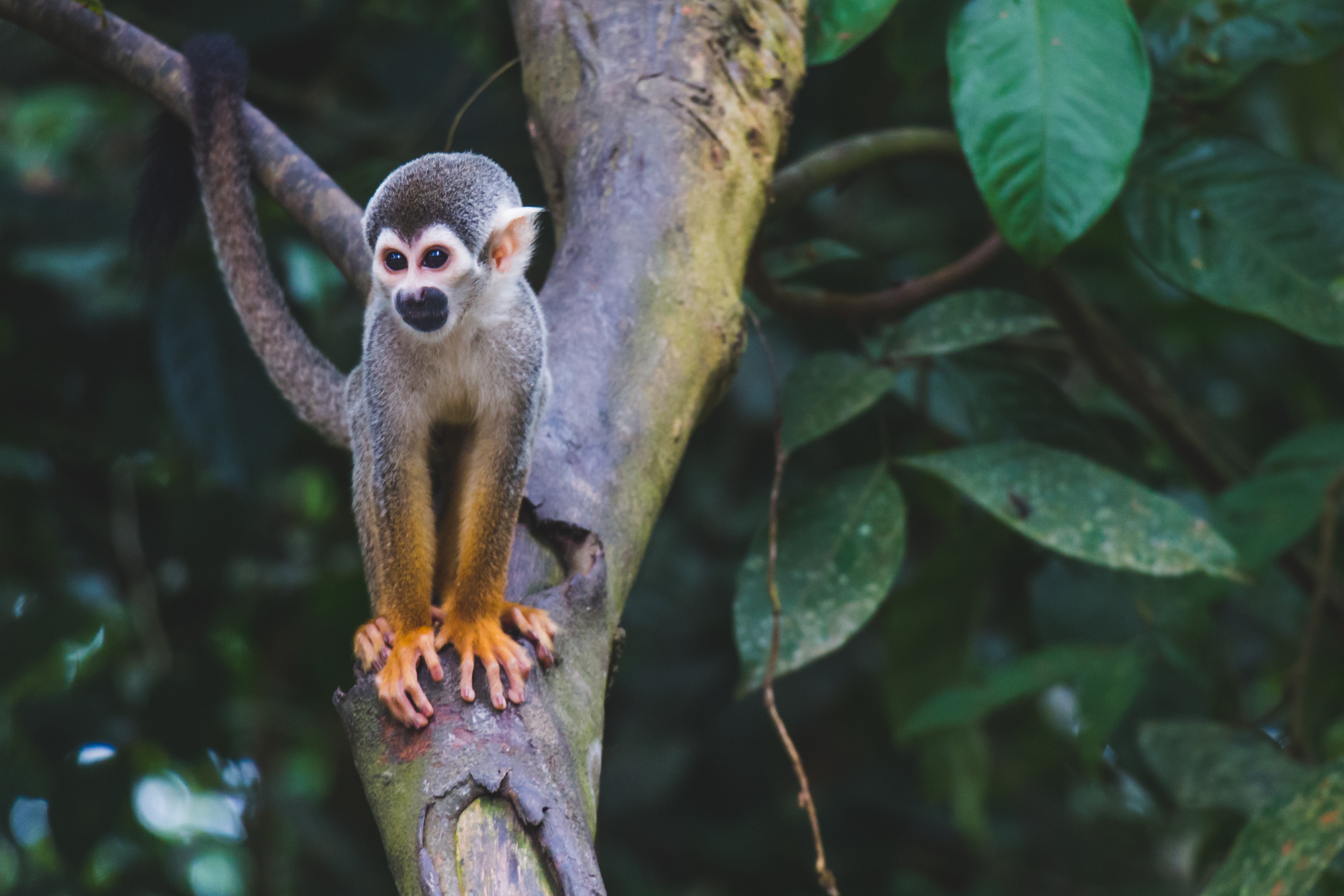
A squirrel monkey is a small monkey that is indigenous to the tropical forests of Central and South America. It is known for its expressive face, energetic personality, and remarkable agility. They have bright eyes, short golden fur, and long tails.
Although several species exist, you may hear about the Central American squirrel monkey, the Bolivian squirrel monkey, or the black-capped squirrel monkey. Each belongs to the same biological classification, but lives in different parts of Central and South America.
These monkeys naturally inhabit tropical rainforests, where they spend nearly all of their time moving through the forest canopy in search of food.
Are squirrel monkeys native to the Dominican Republic?
Despite their popularity in Punta Cana, squirrel monkeys are not native to the Dominican Republic.
The island of Hispaniola, which includes both the Dominican Republic and Haiti, does not have native monkey populations today. Instead, the Punta Cana monkeys that visitors encounter live in carefully managed wildlife parks where trained staff oversee their care and conservation.
Because they were introduced rather than naturally occurring, seeing these monkeys can be considered a unique wildlife encounter rather than a glimpse of the country's native fauna.
Where can you see monkeys in the Dominican Republic?
The best-known destination is Monkeyland Punta Cana, where visitors can interact with friendly squirrel monkeys in a lush tropical setting. The park is designed to provide a safe, natural environment for the animals while allowing guests to observe them up close under professional supervision.
These experiences typically include guided tours, educational presentations, and opportunities to learn about primate behavior, conservation, and responsible wildlife tourism.
Where to stay to see squirrel monkeys
If you're staying at Excellence Punta Cana or Finest Punta Cana, adding a monkey encounter to your itinerary is easy. Both All Inclusive luxury resorts are located in the Uvero Alto area, and many excursion providers offer transportation directly from the resorts to places where you can see these monkeys for yourself. It's a nice way to experience another side of the Dominican Republic before returning to enjoy the resorts' beaches, pools, restaurants, and world-class amenities.

Guests at Excellence Punta Cana often enjoy pairing the excursion with a relaxing adults-only vacation, while families staying at Finest Punta Cana frequently find that seeing the playful squirrel monkeys becomes one of the most memorable experiences of their trip.

6 facts about squirrel monkeys
1) How large are they?
One reason visitors immediately fall in love with these primates is their tiny stature. Adults generally measure between 10 and 14 inches (25 to 35 centimeters) in body length. Their tails are even longer than their bodies, often reaching another 14 to 17 inches (35 to 43 centimeters).
Interestingly, they don't use their tails to hang from branches like some monkey species. Instead, they help maintain balance while the monkeys leap effortlessly from tree to tree. Their small size allows them to navigate dense rainforest canopies with incredible speed and agility.
2) How much do squirrel monkeys weigh?
Despite their energetic personalities, these primates are surprisingly lightweight. Most adult squirrel monkeys weigh between 1.5 and 2.5 pounds (0.7 to 1.1 kilograms).
Females are generally a bit smaller than males, although both sexes are exceptionally agile. Their light bodies make it easy for them to travel quickly through thin branches that larger monkeys couldn't safely use.
3) What do squirrel monkeys eat?
In the wild, squirrel monkeys enjoy an incredibly varied diet. They're considered omnivores, meaning they eat both plants and animals.
Their favorite foods include:
- Fruits
- Berries
- Flowers
- Seeds
- Nuts
- Insects
- Caterpillars
- Spiders
- Small lizards
- Bird eggs
Because insects provide an excellent source of protein, squirrel monkeys spend much of their day searching tree bark, leaves, and branches for tasty bugs.
In managed wildlife parks like those found near Punta Cana, trained caretakers provide balanced diets that closely resemble what the monkeys would naturally consume.
4) How long do squirrel monkeys live?
In the wild, squirrel monkeys typically live between 15 and 20 years, although many face challenges such as predators, habitat loss, and disease. Under professional care in accredited wildlife facilities, they may live into their early twenties thanks to regular veterinary care, nutritious diets, and protection from natural threats.
Their lifespan depends greatly on the quality of their environment and overall health.
5) Are squirrel monkeys friendly?
The answer is yes, with an important distinction. Squirrel monkeys are naturally curious, intelligent, and highly social animals. In wildlife parks where they're accustomed to human visitors, they often climb onto guests' shoulders or heads while searching for treats provided during supervised experiences.
However, they're still wild animals rather than pets. Their friendly behavior comes from careful training, positive reinforcement, and regular interaction with experienced handlers, not domestication. Visitors should always follow park guidelines, avoid sudden movements, and never attempt to feed or touch the monkeys unless instructed to do so.
Respectful interactions help ensure both visitors and monkeys have a safe, enjoyable experience.
6) Why are they called squirrel monkeys?
If you've ever watched these tiny primates dart through the trees, you'll quickly understand the answer.
Their name comes from their remarkable resemblance to squirrels. Like squirrels, they have:
- Small, lightweight bodies
- Long tails
- Lightning-fast movements
- Exceptional climbing skills
- Constant curiosity
Their playful behavior and quick movements through tree branches reminded early naturalists of squirrels, leading to the common name that has remained for centuries.
3 different species of squirrel monkeys
Although many visitors simply refer to them as squirrel monkeys, several species exist across the Americas.
Central American Squirrel Monkey
The Central American squirrel monkey is found primarily in Costa Rica and Panama. It's among the rarest squirrel monkey species and inhabits tropical forests close to the Pacific coast.
Conservation efforts continue to protect its shrinking habitat.
Bolivian Squirrel Monkey
The Bolivian squirrel monkey lives throughout parts of Bolivia, Brazil, and Peru. It occupies rainforests, seasonally flooded forests, and river systems across the Amazon Basin.
Like other squirrel monkey species, it's highly social and usually travels in large groups.
Black-Capped Squirrel Monkey
The black-capped squirrel monkey is easily recognized by the darker coloring around the top of its head.
Native to portions of Brazil, Peru, Colombia, and neighboring countries, this species also thrives in tropical forests and spends nearly all its time in the trees searching for fruit and insects.
Tips for visiting Punta Cana monkeys
If you're planning to see the famous Punta Cana monkeys, a little preparation can make your experience even more enjoyable.
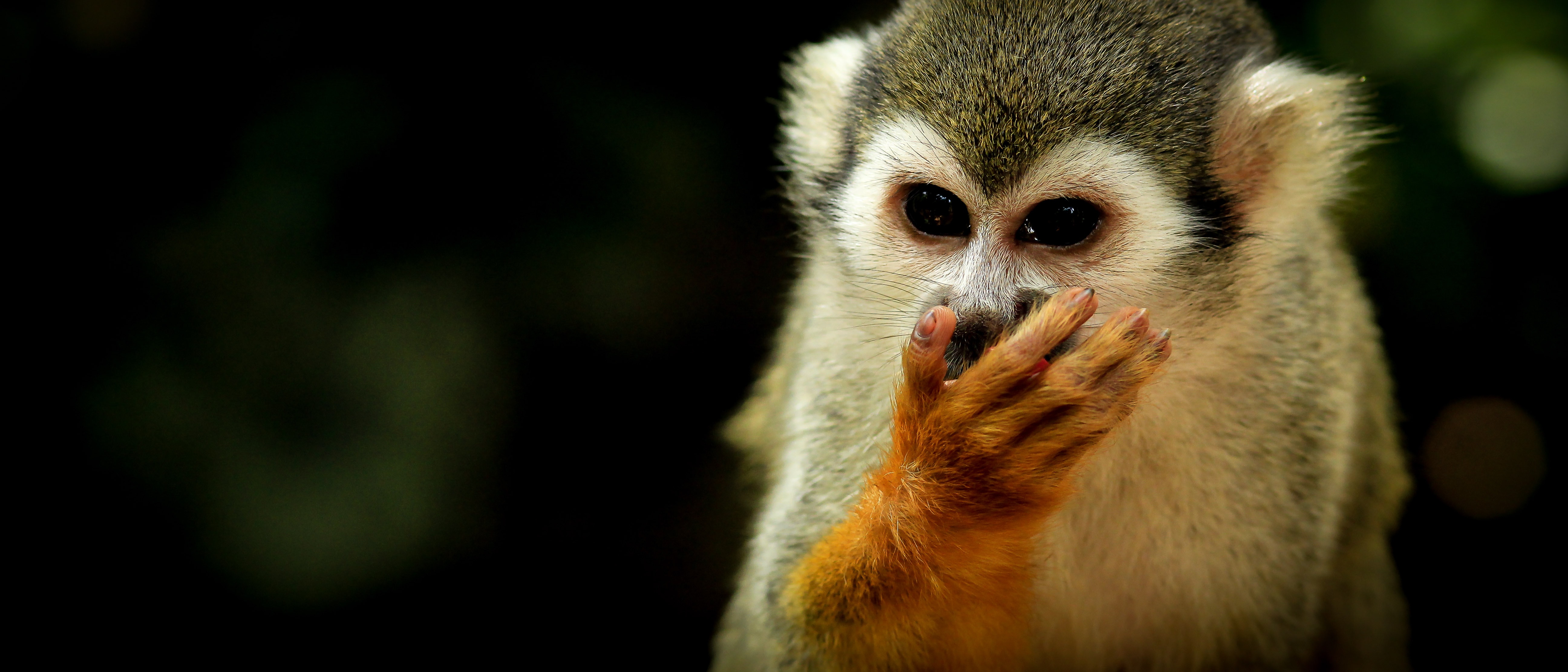
Wear comfortable clothing that you don't mind getting a little dirty, since the monkeys may climb onto your shoulders or sit on your head. Leave loose jewelry, dangling earrings, and sunglasses in your room or in a secure bag, as curious monkeys love investigating shiny objects.
Most importantly, follow your guide's instructions at all times. These guidelines help protect both the animals and visitors while ensuring everyone enjoys a memorable encounter.
Consider making plans early in your vacation. Not only does this help secure your preferred time, but it also gives you plenty of opportunities afterward to share your photos and stories while relaxing back at your resort.
Spending time surrounded by squirrel monkeys is an unforgettable addition to any Punta Cana vacation. Reserve a stay at Excellence Punta Cana or Finest Punta Cana, along with an easy natural wildlife excursion that you will never forget.
Other Articles you may like

Explore the history behind The Excellence Collection and the exciting foundations of each of its hotels and resorts in your favorite tropical destinations.